
The 6․7L Powerstroke diesel, paired with a manual transmission, represents a unique and increasingly rare configuration in Ford Super Duty trucks․ Diagnostic capabilities are crucial․
Overview of the 6․7L Powerstroke Engine
The 6․7L Powerstroke debuted in 2011, replacing earlier designs and addressing evolving emissions standards․ Developed in-house by Ford, it moved away from International’s engine contributions․ Key features include a common-rail fuel system and a variable geometry turbocharger, boosting performance and efficiency․ Diagnostic systems fully cover the PowerStroke injection system․ Issues with the diesel particulate filter prompted the engine redesign, impacting overall reliability and necessitating advanced diagnostic tools․
Rarity and Appeal of Manual Transmissions in Super Duty Trucks
Manual transmissions in 6․7L Powerstroke Super Duty trucks are exceptionally rare, becoming less common as automatic transmissions gained prevalence․ Enthusiasts prize them for a more direct driving experience and perceived durability․ The NV5450 manual offers greater control, particularly for demanding tasks like towing․ However, finding parts and qualified technicians for these transmissions is increasingly challenging, adding to their unique appeal․

Available Manual Transmission Options (6․7 Powerstroke)
The primary manual transmission option for the 6․7L Powerstroke was the robust NV5450, offering a dependable and driver-focused experience in Super Duty trucks․
The NV5450 Transmission: Specs and Characteristics
The NV5450 is a heavy-duty, five-speed manual transmission known for its durability and ability to handle the high torque output of the 6․7L Powerstroke․ It features a wide gear ratio spread, enhancing both towing capacity and fuel efficiency․ Commonly found in 2011-2016 Ford Super Duty trucks, it’s characterized by its robust internal components and straightforward mechanical design, making it a favorite among those seeking a traditional driving experience․
Identifying a Truck Equipped with a Manual Transmission
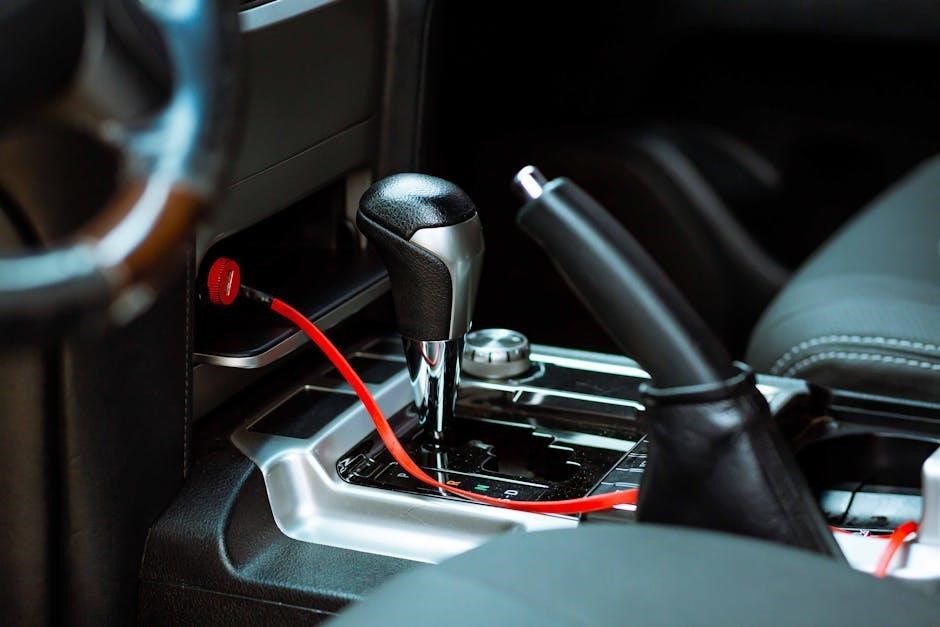
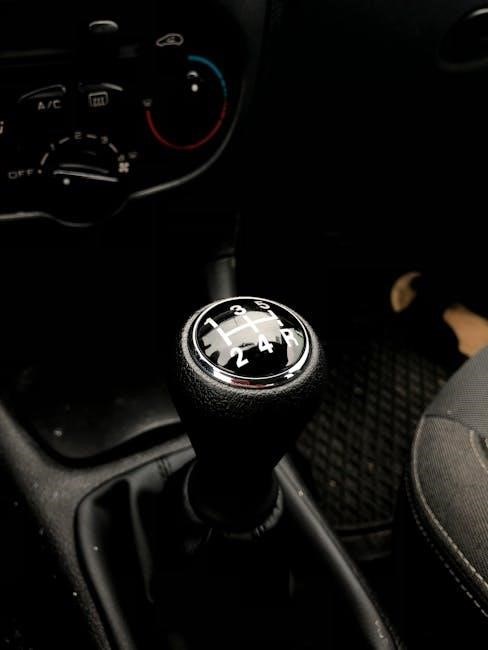
Determining if a 6․7L Powerstroke truck has a manual transmission is relatively straightforward․ Visually inspect the shift lever on the column – automatics have PRNDL, while manuals have a traditional shift pattern․ Check the vehicle’s build sticker, often located on the driver’s side doorjamb, for transmission codes․ A manual will typically lack the automatic transmission identifiers․ Finally, listen for the distinct sound of a clutch pedal during operation․
Common Issues with the NV5450 Transmission
The NV5450, while robust, can experience clutch wear, shift linkage problems, and synchronizer issues, particularly with increased torque from the 6․7 Powerstroke․
Clutch Wear and Failure
Increased torque from the 6․7L Powerstroke engine places significant stress on the NV5450’s clutch․ Expect accelerated wear, especially with aggressive driving or heavy loads․ Symptoms include slipping, difficulty shifting, and a burning smell․ Regular inspection is vital; failure can leave drivers stranded․ Upgraded clutches are often necessary for longevity and performance, addressing the higher torque output․
Shift Linkage Problems
The NV5450’s shift linkage can develop looseness over time, leading to imprecise shifting and difficulty selecting gears․ This often manifests as sloppy feel or a vague engagement point․ Worn bushings and ball joints are common culprits․ Inspecting and replacing these components restores proper linkage function․ Ignoring this issue can worsen, potentially causing missed shifts or damage to internal transmission components․
Synchronizer Issues
Worn synchronizers within the NV5450 transmission can cause grinding during gear changes, particularly when shifting quickly or under load․ This occurs as the synchronizers struggle to match the speeds of the gears before engagement․ Symptoms include difficulty getting into certain gears, and a noticeable grinding noise․ Prolonged neglect can lead to more extensive transmission damage, requiring a rebuild or replacement․
Diagnosing Transmission Problems
Accurate diagnosis of NV5450 issues requires identifying specific symptoms like grinding or difficulty shifting, alongside utilizing appropriate diagnostic tools for assessment․
Identifying Symptoms of a Failing NV5450
Several key indicators suggest potential NV5450 transmission failure․ These include harsh or grinding shifts, difficulty engaging gears, especially first or reverse, and unusual noises during operation․ Clutch slippage, even with a properly adjusted clutch, can also point to internal transmission damage․ Pay attention to prolonged crank times, potentially linked to ICP system issues affected by a worn lube oil pump, impacting overall performance․
Using Diagnostic Tools for Manual Transmissions
While manual transmissions lack the extensive electronic monitoring of automatics, diagnostic tools are still valuable․ Ford’s Integrated Diagnostic System (IDS) software can reveal related ABS or engine codes impacting drivetrain function․ Checking for fluid leaks using a detector like Ford OEM 164R6086 is vital․ Physical inspection of the shift linkage and internal components often provides the most definitive assessment․
Maintenance and Preventative Measures
Regular fluid changes and adopting proper shifting techniques are essential for maximizing the lifespan and reliability of the NV5450 transmission․
Recommended Fluid Changes and Intervals
Maintaining the correct fluid level and condition is paramount for the NV5450’s longevity․ While specific intervals vary based on usage, a general guideline suggests changing the transmission fluid every 30,000 to 50,000 miles․ Severe duty, like frequent towing or off-roading, necessitates more frequent changes – potentially every 20,000 to 30,000 miles․ Always use a fluid specifically designed for the NV5450, adhering to Ford’s specifications to prevent compatibility issues and ensure optimal performance․
Proper Shifting Techniques to Extend Transmission Life
Smooth and deliberate shifting is vital for preserving the NV5450’s internal components․ Avoid abrupt or rushed gear changes, and fully depress the clutch pedal during each shift․ Double-clutching, while not always necessary, can synchronize gear speeds, reducing wear․ Refrain from “speed shifting” or forcing the lever into gear․ Gentle operation minimizes stress and prolongs the transmission’s service life, especially under heavy loads․
Performance Upgrades for the NV5450
Enhancements like upgraded clutches and short-throw shifters can significantly improve the NV5450’s performance and driver experience with the 6․7 Powerstroke․
Clutch Upgrades for Increased Torque Capacity
For 6․7 Powerstroke NV5450 transmissions experiencing increased torque from modifications, a clutch upgrade is essential․ Stock clutches may quickly fail under the strain․ Options include heavy-duty pressure plates, reinforced clutch discs, and complete clutch kits designed to handle significantly higher horsepower and torque levels․ These upgrades ensure reliable power transfer and prevent premature wear, maximizing the transmission’s lifespan and performance potential․ Careful selection based on engine output is vital․
Short Throw Shifters for Improved Feel
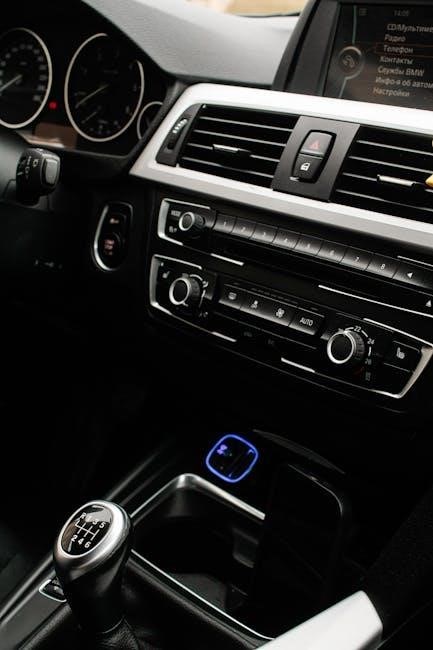
Enhance the driving experience of your 6․7 Powerstroke with a short throw shifter․ These shifters reduce the distance required for each gear change, resulting in quicker, more precise shifts․ This modification provides a more connected and sporty feel, improving driver control and engagement․ Installation is typically straightforward, offering a noticeable improvement in shift quality and overall driving enjoyment for the NV5450 transmission․
The 6․7 Powerstroke Diesel Engine: A Brief Overview
The 6․7L Powerstroke delivers substantial torque, impacting manual transmission strain․ Engine issues, like those with the lube oil pump, affect ICP systems performance․
Key Features and Specifications
The 6․7L Powerstroke boasts a robust design, initially producing around 390 horsepower and 800 lb-ft of torque․ Later iterations increased these figures․ Its turbocharger configuration, fuel injection system, and block construction contribute to its power․ However, the engine’s output directly stresses the manual transmission’s components, demanding robust clutch and synchronizer designs․ Diagnostic testing of the injection system is vital, alongside transmission checks․
Common Engine Issues Affecting Transmission Performance
Issues like a worn lube oil pump can negatively impact the ICP system, leading to abnormal cranking and stalling, indirectly straining the manual transmission․ Problems with the fuel injection system or turbocharger can cause erratic power delivery, increasing clutch wear․ Diagnostic software updates (IDS) are essential for identifying these engine faults that transmit stress to the drivetrain․
Interplay Between Engine and Transmission
Engine torque management significantly impacts manual transmissions; addressing engine issues preventing strain is vital․ Proper diagnostics reveal how engine performance affects the NV5450․
Torque Management and its Impact on Manual Transmissions
The 6․7L Powerstroke’s torque output necessitates careful consideration for manual transmissions like the NV5450․ Factory torque management strategies aim to protect drivetrain components, but modifications can increase stress․ Understanding these limits is crucial; excessive torque can lead to premature clutch wear and transmission failure․ Proper tuning and component upgrades are essential for reliable performance when increasing power levels, ensuring longevity and preventing catastrophic damage․
Addressing Engine Issues that Cause Transmission Strain
Engine problems significantly impact manual transmissions․ A worn lube oil pump, affecting ICP systems, can cause hard starting and reduced performance, straining the clutch during engagement․ Issues with the fuel injection system or turbocharger can create inconsistent power delivery, leading to jerky shifts and increased wear․ Addressing these engine faults proactively prevents undue stress on the NV5450, preserving its functionality and extending its lifespan․
ABS System Diagnostics Related to Manual Transmissions
ABS interaction with manual drivetrains requires specific diagnostic attention․ Proper function ensures safe braking, especially during challenging driving conditions and emergency stops․
Understanding ABS Interaction with Manual Drivetrains
The ABS system on a 6․7 Powerstroke with a manual transmission functions similarly to automatic variants, but diagnostic approaches differ․ Wheel speed sensors are critical, providing data to the ABS module․ This module modulates brake pressure to prevent wheel lockup during braking events․ Manual transmissions don’t have the same engine braking characteristics as automatics, potentially altering ABS operation․ Thorough diagnostics require understanding these nuances, checking for sensor faults, and verifying proper module communication․
The 10R140 and 6R140 Automatic Transmissions (Comparison)
While manual options are rare, the 10R140 and 6R140 automatics became prevalent in the 6․7 Powerstroke due to efficiency and driver preference shifts․
Why Automatics Became More Common
The shift towards automatic transmissions in the 6․7 Powerstroke Super Duty trucks stemmed from evolving consumer demands and technological advancements․ Automatics offered ease of use, particularly appealing to a broader range of drivers․ Furthermore, advancements in automatic transmission technology, like the 6R140 and 10R140, improved fuel efficiency and performance, diminishing the traditional advantages of manual gearboxes․ These factors ultimately led to the decline in manual transmission availability․
Leak Detection and Pump Issues
Identifying and addressing fluid leaks is critical for maintaining the 6․7 Powerstroke’s transmission․ OEM leak detection pumps, like the AE81-9G739-BJ, aid diagnosis․
Identifying and Addressing Fluid Leaks
Locating the source of transmission fluid leaks is paramount for the 6․7 Powerstroke․ Utilizing OEM Ford leak detectors, such as part number 164R6086, can pinpoint leak origins efficiently․ Common leak areas include the input and output seals, as well as the transmission pan gasket․ Addressing leaks promptly prevents low fluid levels, which can lead to severe transmission damage and costly repairs․ Regular inspections and timely replacement of worn seals are essential preventative measures․

Cold Start Issues and Lube Oil Pump Impact
A failing lube oil pump negatively impacts ICP systems, causing abnormal long cranks and stalls, especially during cold starts in the 6․7 Powerstroke․
How a Worn Lube Oil Pump Affects ICP Systems
A deteriorated lube oil pump significantly hinders the 6․7 Powerstroke’s Injection Control Pressure (ICP) system performance․ Reduced oil flow during cold starts compromises ICP build-up, leading to extended cranking times and potential stall conditions․ This impacts engine starting reliability and overall diesel combustion efficiency․ Proper oil pump function is vital for consistent ICP, ensuring optimal engine operation and preventing further damage to the fuel injection system․
The Transition from Earlier Powerstroke Engines (6․4L) to the 6․7L
The shift to the 6․7L Powerstroke in 2011 addressed issues with the previous 6․4L engine, including concerns related to durability and emissions compliance․
Reasons for the Engine Change
Ford transitioned from the 6․4L Powerstroke to the 6․7L engine primarily due to significant issues with the earlier design, particularly concerning durability and the complexities of meeting evolving emissions standards․ The 6․4L faced reliability concerns, prompting a complete redesign․ Furthermore, the introduction of stricter Euro-5 regulations necessitated a new engine capable of handling diesel particulate filters and, eventually, diesel exhaust fluid (DEF) systems, leading to the development of the 6․7L․
Euro-5 Emissions Standards and Engine Development
Euro-5 standards heavily influenced the 6․7L Powerstroke’s design, necessitating advanced technologies like diesel particulate filters and, later, DEF systems for compliance․
Impact on Engine Design and Technology
The push for Euro-5 emissions compliance dramatically altered the 6․7L Powerstroke’s architecture․ This included significant changes to fuel injection systems, exhaust gas recirculation (EGR), and the introduction of diesel particulate filters (DPF)․ These advancements aimed to reduce harmful emissions, impacting engine performance and requiring sophisticated diagnostic tools․ The shift also influenced the overall engine control strategy, affecting both automatic and manual transmission vehicles․
Diagnostic Software Updates (IDS)
Regular IDS software updates are essential for accurately diagnosing 6․7L Powerstroke systems, including transmission issues and PCM-related problems․
Utilizing Software for Troubleshooting
Integrated Diagnostic Software (IDS) provides technicians with crucial data for pinpointing issues within the 6․7 Powerstroke and its associated manual transmission․ Access to updated software allows for comprehensive system checks, reading diagnostic trouble codes (DTCs), and monitoring live data streams․ This includes parameters affecting transmission performance, like ICP system function and engine load․ Properly utilizing IDS streamlines the diagnostic process, reducing guesswork and ensuring accurate repairs, especially when addressing cold start or long crank scenarios linked to the lube oil pump․

Resources for Parts and Repair
Sourcing OEM Ford parts or reliable aftermarket alternatives is vital for 6․7 Powerstroke manual transmission repairs․ Leak detection pumps and components are readily available․
Finding OEM and Aftermarket Parts
Locating parts for the 6;7 Powerstroke’s NV5450 manual transmission requires exploring various avenues․ Ford dealerships provide genuine OEM components, ensuring compatibility but often at a higher cost․ Numerous aftermarket suppliers offer alternatives, ranging from budget-friendly options to high-performance upgrades․ Online retailers specializing in diesel truck parts, like those offering leak detection tools, are excellent resources․ Carefully research brands and read reviews to guarantee quality and reliability, especially for critical components like clutches and synchronizers․
Preserving a 6․7 Powerstroke equipped with a manual transmission demands diligent maintenance and proactive diagnostics․ Regular fluid checks, proper shifting techniques, and prompt attention to issues like clutch wear or shift linkage problems are vital․ Utilizing diagnostic software updates, like IDS, aids in identifying potential concerns․ Prioritizing these steps ensures longevity and reliable performance, safeguarding this increasingly rare and desirable combination of power and control․