Overview of Self-Guided Rio Grande Turkey Hunts in Texas

Self‑guided Rio Grande turkey hunts in Texas let hunters explore remote riverine habitats independently. Many properties near the Nueces River offer 1‑4‑person access, with clear trail maps and seasonal call schedules. Hunters must secure state permits and follow local regulations.for safety 2026.
Access Points and Route Planning
For a self‑guided Rio Grande turkey hunt, the first step is selecting a reliable access point along the Nueces River corridor. Most private properties open the main trail at a gravel launch near the intersection of County Road 27 and the riverbank, marked by a white “R” sign. From there, hunters can follow a 3‑mile loop that skirts the river’s western bank, crossing a shallow ford at the 1.2‑mile marker. GPS coordinates for the launch are 27.5592° N, 99.1523° W, while the loop’s midpoint sits at 27.5625° N, 99.1490° W. The trail is graded, with a gentle rise toward the 2.0‑mile point where a natural clearing offers optimal calling positions. A secondary side trail, approximately 0.8 mi long, descends to the river’s edge near the 2.5‑mile marker, providing a discreet observation spot for gobblers that feed on the riverbank. Hunters should map out a return route that avoids the main trail’s steep descent at the 3.0‑mile point, instead using a back‑trail that leads to a secondary launch near the 3.5‑mile marker, coordinates 27.5650° N, 99.1450° W. This back‑trail is narrower but offers better concealment from the main road. When planning the day, allocate 30 minutes for a pre‑hunt reconnaissance walk, 45 minutes for setting up the first calling station, and 2 hours for the main hunting segment. Always carry a handheld GPS, a topographic map, and a compass; the river’s shifting sandbars can alter the trail’s appearance by season. The trail’s elevation changes are minimal, but hunters should watch for loose rocks near the 1.5‑mile marker, which can shift during heavy rains. A small creek feeds into the river at the 2.3‑mile point; the resulting mist can mask movement, making it an ideal spot for a second calling station. When returning, use the 4.0‑mile point as a natural checkpoint; the dense brush there offers a good place to rest and re‑evaluate the day’s progress. If weather turns, the 4.5‑mile marker provides a safe shelter area under a fallen oak, coordinates 27.5680° N, 99.1400° W. Always check the latest river conditions before heading out, as seasonal flooding can render the main launch impassable. By adhering to these detailed access points and route plans, hunters can confidently navigate the terrain, cover more ground, and increase their chances of a successful, self‑guided hunt.
Legal Requirements and Permits for Self‑Guided Hunts
To hunt Rio Grande turkeys independently in Texas, hunters must first obtain a valid Texas hunting license from the Texas Parks and Wildlife Department (TPWD). The license can be purchased online or at authorized vendors and must be displayed on the hunter’s person at all times. A separate Rio Grande Turkey Hunting Permit is required for the season, which runs from the first Friday in March through the last Saturday in May. The permit is limited to 20 days per hunter per year and can be bought in 1‑, 5‑, or 10‑day increments. Hunters must also possess a valid Turkey Hunting License, distinct from the general license, and mandatory for all turkey species. Age restrictions apply: hunters must be at least 17 years old, or 16 with a parent’s consent; those under 18 need a hunter safety certification. The permit and license must be renewed annually; failure to do so results in a $200 fine and potential suspension of hunting privileges. Hunters should obtain a Special Use Permit from the landowner when hunting on private property. Calling regulations prohibit electronic callers on public lands and restrict calling to 30 minutes before sunrise and 30 minutes after sunset. Violations can lead to a $150 fine and revocation of hunting privileges. All hunters are encouraged to review TPWD regulations before heading out.
Hunters are also advised to review local county ordinances regarding hunting hours and to carry a copy of the Texas hunting regulations for reference during the hunt.
Stay safe, hunt.ok!!
Optimal Hunting Seasons and Timing
Spring, from the first Friday in March to the last Saturday in May, is the window for Rio Grande turkey hunts. The calling periods are 30 min before sunrise and 30 min after sunset. Cooler temperatures in late spring boost turkey activity and reduce heat stress.
Spring Peak Hunting Window
Spring peak hunting for Rio Grande turkeys in Texas typically runs from the first Friday in March through the last Saturday in May. Within this window, the most productive days are the first and last weekends, when turkey activity is highest and calling is most effective. Hunters should schedule their calls to begin 30 minutes before sunrise and end 30 minutes after sunset, aligning with the birds’ natural crepuscular patterns. The early‑morning hours, just after dawn, are especially fruitful as turkeys emerge from cover, feeding, while the late‑afternoon period, leading up to dusk, sees them returning to roosts. Weather plays a crucial role; cooler temperatures in late March and early April reduce heat stress and increase turkey alertness, whereas the hotter days of late May can diminish calling success. Additionally, the first week of March often experiences higher rainfall, which can dampen sound transmission but also encourages turkey movement as they seek dry ground. Hunters should also monitor local weather forecasts for wind direction, as wind can carry calls farther downriver, improving detection range. By concentrating effort during these peak periods and adjusting call intensity to match temperature and wind conditions, self‑guided hunters can maximize their chances of spotting and calling mature gobblers within the Rio Grande corridor. Pairing calls with natural cues—like rustling leaves or water splashes—helps blend your voice into the river’s chorus, boosting detection chances. daily!!
Fall and Winter Opportunities
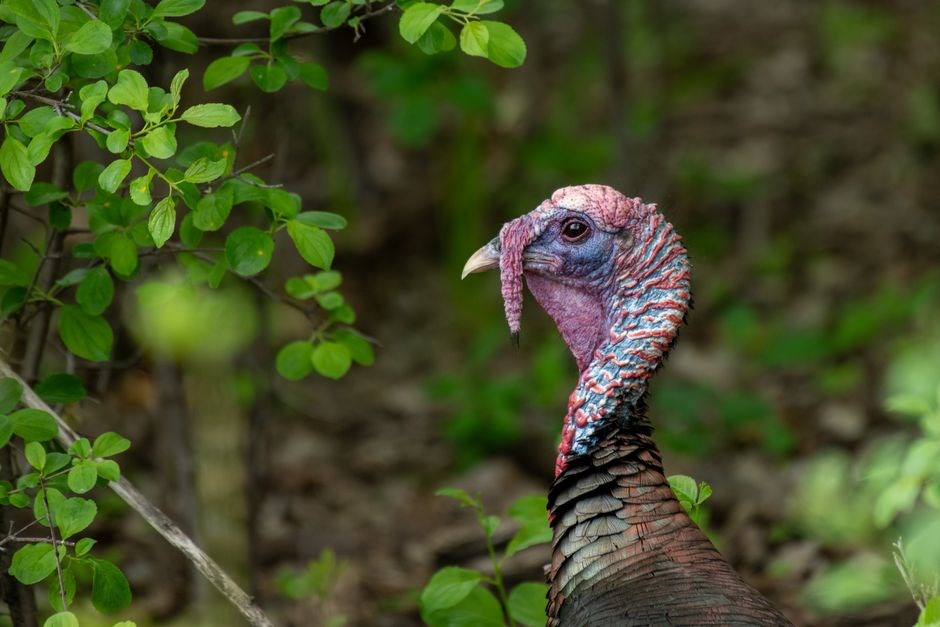
While spring dominates the Rio Grande turkey calendar, fall and winter still offer rewarding self‑guided hunts for those willing to brave cooler temperatures and shorter daylight. The official fall season typically opens on the first Friday in September and closes on the last Saturday in November, with a brief winter extension that runs through the first Saturday in January. During this period, turkey behavior shifts toward increased roosting and more predictable movement patterns, making it easier to locate mature gobblers near riverbanks and riparian corridors. Hunters should prioritize early‑morning calls, starting 45 minutes before sunrise, and extend calling sessions into the late afternoon, as turkeys often return to roosts after feeding. Wind direction remains a critical factor; a south‑westerly breeze can carry calls farther downstream, while a northerly gust may push sound back toward the hunting area, improving detection. Additionally, the cooler air of fall and winter allows for higher call volumes without overheating the birds, enhancing the likelihood of eliciting a response. Hunters must also be mindful of snow and ice conditions, which can alter terrain accessibility and create new cover opportunities. By combining strategic calling, careful trail selection, and an understanding of seasonal turkey habits, self‑guided hunters can still achieve impressive harvests during the fall and winter months along the Rio Grande corridor. Seasonal timing and patience are key to success. ✔✔✔
Choosing the Right Hunting Property
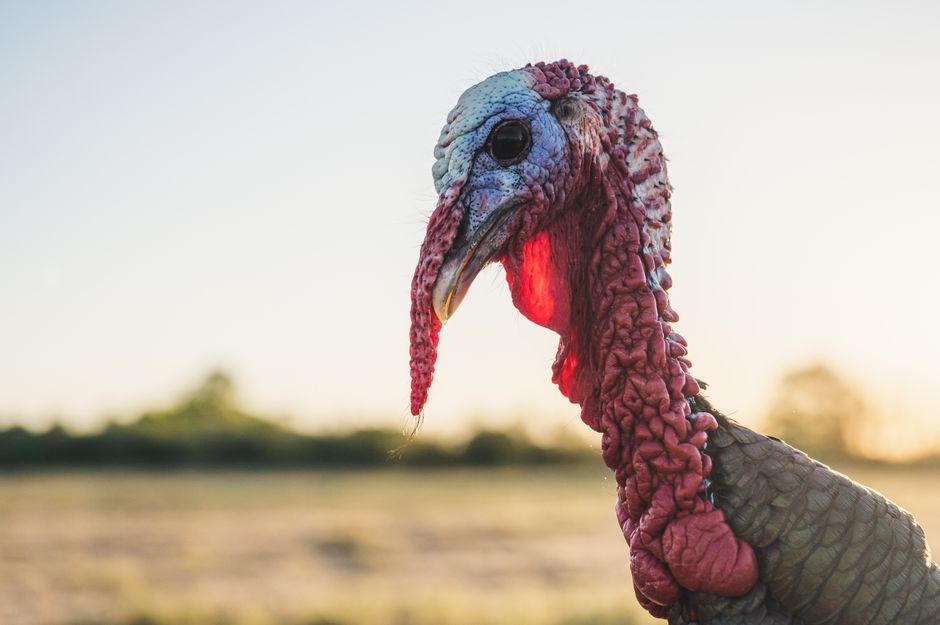
Properties near the Nueces River offer 1‑4‑person access, with clear trail maps, seasonal call schedules, and well‑maintained riverbanks. Lands offer solitude. Select based on terrain, water proximity, and permit availability. Land size ranges 200‑1,000 acres.
Properties Near the Nueces River
Properties along the Nueces River provide a blend of rugged riverine terrain and lush riparian zones, ideal for self‑guided Rio Grande turkey hunts. Many landowners offer 1‑4‑person access, with well‑maintained trails that follow the river’s natural curves. Hunters can track the birds from dawn to dusk, using the river’s edge as a natural funnel. The land typically ranges from 200 to 1,000 acres, offering ample space for stealth and strategy. Each property includes a small lodge or cabin for overnight stays, and some offer meal packages that keep hunters focused on the hunt rather than logistics. Access points are usually marked on state maps, and many owners provide GPS coordinates and trail maps upon reservation. The river’s proximity ensures a steady supply of water for both hunters and wildlife, while the surrounding vegetation offers excellent cover. Hunters often report seeing mature gobblers within the first few hours of arrival, thanks to the well‑managed habitat. The properties are managed by local outfitters who maintain the trails, enforce hunting regulations, and provide safety briefings. Because the area is remote, hunters must bring their own gear, but the landowners supply essential supplies such as firewood, cooking equipment, and a basic first‑aid kit. The season typically runs from early March through late June, with peak activity in late spring. Hunters can also take advantage of the fall season for a quieter, more solitary experience. Overall, properties near the Nueces River offer a unique blend of accessibility, natural beauty, and high‑quality turkey hunting opportunities. offer a
Private Land Options for Solo Hunts
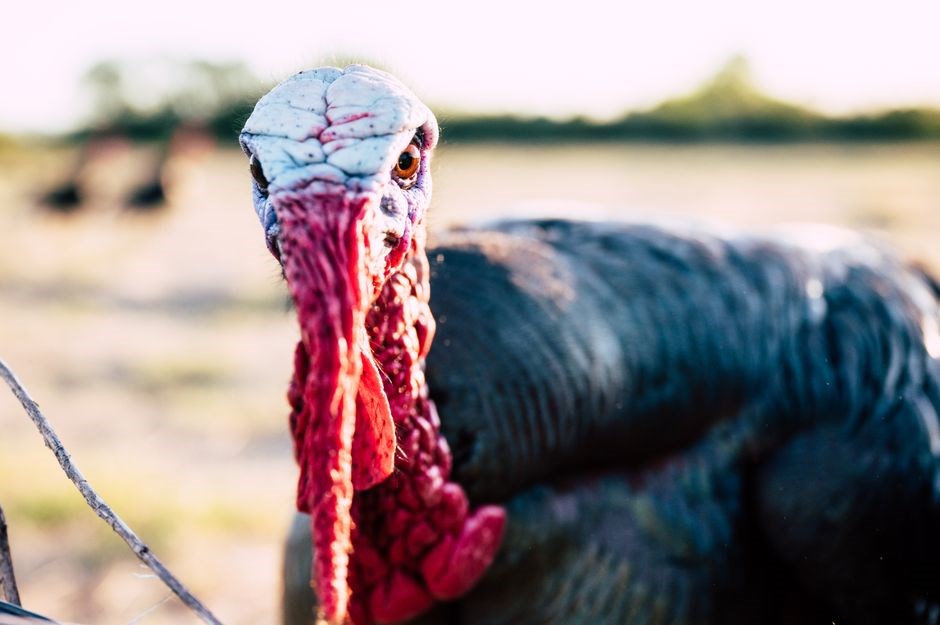
Solo hunters looking for a truly independent Rio Grande turkey adventure often choose privately owned parcels that offer exclusive access and minimal crowding. These properties, typically ranging from 150 to 800 acres, sit along the Nueces River or its tributaries, providing natural cover and a reliable water source. Landowners usually maintain a network of short, well‑grassed trails that weave through hardwood stands and brushy understories, allowing hunters to approach the birds with minimal disturbance. Many owners manage the land with a focus on habitat stewardship: selective thinning, water point installation, and turkey population monitoring to ensure sustainable harvests. For solo hunters, the benefit is the freedom to set your own schedule, choose calling spots, and move at your own pace without coordinating with a group. Reservations are made directly with the landowner or a local outfitter, often including a brief safety briefing and a map of key property features. Equipment needs remain the same as any self‑guided hunt: a suitable firearm, appropriate ammunition, camouflage gear, and a reliable GPS unit. Because these lands are private, hunters must respect boundaries, follow posted rules, and leave no trace. The solitude of a solo hunt on private land is especially rewarding during the spring peak, when turkey activity is highest and the landscape is most vibrant. Some owners offer optional services such as a pre‑hunt briefing, a small meal, or a basic first‑aid kit, enhancing the experience while preserving the independence that solo hunters value. In short, private land options combine privacy, flexibility, and high‑quality terrain, appealing to those who prefer to hunt on their own terms. Additionally, many of these properties are located within a short drive of major highways, making travel convenient while still offering a secluded environment. The combination of riverine habitat and mature timber provides excellent cover for both gobblers and hens, increasing the likelihood of a successful harvest. Hunters often report that the quiet, unbroken landscape enhances their focus and allows them to better read turkey behavior. By choosing a private land option, solo hunters can fully immerse themselves in the hunt, experiencing the thrill of the chase without external distractions. All in all, it’s a top choice.
Equipment and Gear Essentials
A reliable rifle or shotgun, 3‑inch turkey‑specific ammo, a lightweight field guide, camo vest, durable boots, a headlamp, a compact first‑aid kit, a GPS unit, a sturdy backpack, and a water‑purification system are essential for a safe, successful hunt. Carry a small, lightweight radio for emergency contact.!
Preferred Firearms and Ammunition for Rio Grande Turkeys
Choosing the right firearm and ammo is critical for a successful self‑guided hunt along the Rio Grande. Most hunters favor a bolt‑action or lever‑action rifle chambered in .30‑06 Springfield or 7.62×51mm NATO, offering a balance of power, accuracy, and manageable recoil. The .30‑06 is renowned for its flat trajectory and reliable performance at distances up to 300 yards, making it ideal for riverine terrain where cover is limited. Lever‑action rifles, such as the Remington 700 or Ruger American, provide quick follow‑up shots and a rugged platform that withstands the humid, sandy environment.
For those preferring shotguns, a 12‑gauge with a 24‑inch barrel delivers sufficient spread to hit a turkey at close range while keeping recoil tolerable. A pump‑action or semi‑automatic model, such as the Mossberg 590 or Remington 1100, offers rapid fire and versatility for close‑quarters encounters. When using a shotgun, a 2‑inch buckshot load is recommended for maximum stopping power within 30–40 yards.
Ammunition selection should prioritize consistency and terminal performance. For rifles, match‑grade rounds like the Hornady 300 Winchester or Federal 300 Winchester offer tight groupings and reliable expansion. For shotguns, the 2‑inch buckshot from brands such as Winchester or Remington provides a proven, high‑velocity spread that maximizes hit probability. Always verify the firearm’s chamber size and consult the manufacturer’s specifications before loading.
Additional gear includes a high‑capacity magazine or a reliable bolt‑action clip, a quick‑release sling, and a field‑ready cleaning kit. Carry a spare set of ammunition and a backup firearm in case of malfunctions. Proper maintenance and regular cleaning are essential to ensure reliability in the humid, riverine environment of the Rio Grande.
Safety protocols are paramount. Always wear a vest, keep a clear line of sight, and use a rangefinder to confirm distance before firing. A backup firearm, such as a compact handgun or a secondary shotgun, should be kept within easy reach in case of mechanical failure. A small first‑aid kit and a whistle are essential for emergencies.
Proper ammo storage protects rounds from moisture and temperature extremes. Use a sealed, insulated container and keep ammunition separate from the firearm. A small, collapsible cooler or a dedicated ammo pouch with desiccant packs ensures rounds remain dry and ready for use throughout the hunt. By adhering to these guidelines, hunters can maximize their chances of a successful, responsible hunt while preserving the integrity of the Rio Grande ecosystem.
Field Gear and Camouflage for Self‑Guided Hunts
Field gear for a self‑guided Rio Grande turkey hunt must balance concealment, durability, and practicality. A lightweight, breathable hunting jacket with a high‑visibility reflective panel allows quick identification by allies while remaining low‑profile in riparian brush. A pack‑size hydration bladder (1.5‑liter) keeps water on hand without adding bulk. A multi‑tool with a knife, pliers, and a small saw helps with campsite setup and gear repair.
Camouflage is essential in the mixed‑vegetation banks of the Nueces River. A long‑sleeve, full‑length camo shirt in a 3‑color pattern (green, brown, black) blends with pine needles, scrub, and shadowed water. Pair it with matching camo pants featuring a subtle, textured weave to disrupt the hunter’s outline. A wide‑brim hat and a visor shade protect from sun glare while maintaining a low silhouette. A face mask or balaclava in a matching pattern protects the face from wind and keeps the hunter’s profile minimal.
Footwear should be rugged, waterproof, and have a non‑slip sole for muddy banks. Lightweight hiking boots with a breathable membrane and good traction on uneven terrain are ideal. Polarized sunglasses with a wrap‑around frame reduce glare off the water and protect the eyes from UV rays. A small, collapsible tarp or lightweight poncho provides shelter from sudden rain or wind.
All gear should be stored in a waterproof, UV‑resistant duffel bag with separate compartments for ammunition, food, and personal items. A quick‑access pouch for the firearm, a dedicated ammo pouch with desiccant packs, and a small insulated cooler keep essentials dry and ready. By combining functional field gear with effective camouflage, hunters can maintain stealth, safety, and comfort throughout a self‑guided Rio Grande turkey hunt. Remember to check local weather forecasts and adjust your gear accordingly today.!!
Hunting Tactics and Strategies
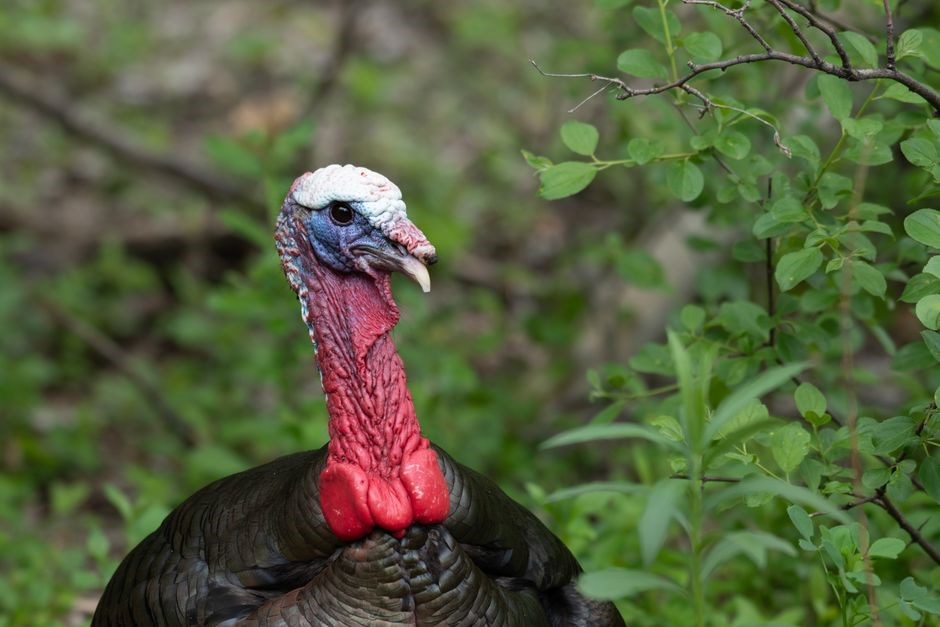
Use early‑morning calls to lure gobblers near water. Move slowly through brush, keeping low. Mark trails with neutral‑colored markers. Stay within 200 ft of the riverbank, use natural cover, and wait for the bird to expose its head before firing. Enjoy the hunt!!!
Sounding and Calling Techniques
Rio Grande turkey calling blends science and art. Hunters use a mix of recorded audio and live vocalizations to mimic the bird’s low gobble, sharp “kak” call, and high “tuk.” A high‑quality speaker reproduces realistic volume, drawing gobblers 1–2 miles from the calling station. Live callers add authenticity; the human voice can replicate subtle pitch variations that signal courtship. Early‑morning calling, around sunrise, is very effective! Position the station near a water source, as turkeys are attracted to water scent. Use a “call box” to shield the speaker from wind and rain, and place it low to avoid detection. Maintain a rhythm: 3–5 short calls, pause, then a longer call, mimicking natural courtship patterns. Add “sounders” to mask footsteps and create a natural acoustic environment. After a call, stay still for 30 seconds to allow the turkey to approach. If no response, move 50–100 meters and repeat the sequence. Monitor wind direction; sound travels best downwind, so position yourself upwind of the calling area. Always respect local regulations: Texas requires a valid hunting license and a specific turkey hunting permit for the Rio Grande region. Proper permits support conservation efforts that sustain healthy turkey populations for future hunts.
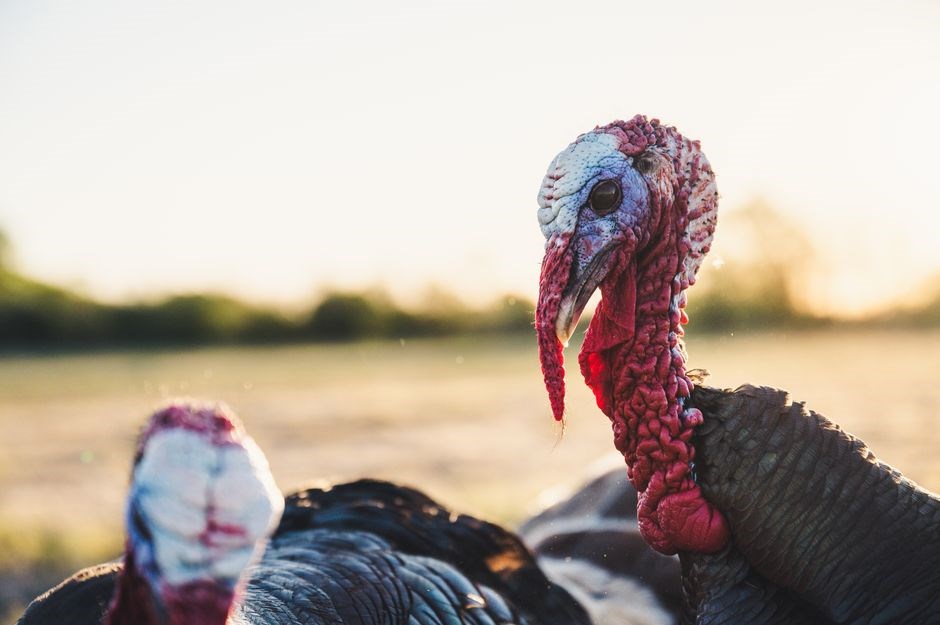
Stealth and Movement on Riverine Terrain
Riverine hunting demands a blend of patience, terrain knowledge, and quiet movement. The Rio Grande corridor features dense riparian vegetation, shallow channels, and intermittent sandbars that create natural cover. Hunters should move slowly, using the “brush‑step” technique: step on the leaf litter, avoid crushing twigs, and keep footfalls light. When traversing wet soil, use a “wet‑step” approach—step on the uppermost layer of mud, then lift the foot before the next step to prevent sinking. The best time for stealth is during low light periods: dawn, dusk, or overcast days. Wear a low‑profile, neutral‑colored camouflage that blends with the riverbank’s brown and green hues. Avoid bright colors that reflect off wet surfaces. When approaching a target area, use a “scent‑masking” strategy: apply a small amount of a neutral scent (e.g., cedar or pine) to your clothing to mask human odor. Keep your breathing shallow, and pause at every bend or overhanging branch. Use the river’s natural soundscape—water flow, bird calls—to mask your presence. When moving through dense brush, use a “crawling” posture: stay low, keep your back against the ground, and move in short bursts. If you encounter a stream, cross at a shallow point, stepping on the rocks rather than the water. Avoid creating splashes that could alert nearby turkeys. When you need to reposition, use a “cover‑and‑move” tactic: take cover behind a fallen log or a cluster of bushes, then move to the next cover point. Always maintain a line of sight to your calling station, allowing you to adjust your position based on turkey responses. Use an infrared detector sparingly; it reveals turkey movement without sound. Keep your firearm muzzle away from the riverbank to avoid noise. Finally, after a successful hunt, retreat slowly, retracing your steps in reverse order to minimize scent trails. This disciplined approach ensures you remain undetected, maximizing your chances of a successful, self‑guided hunt.