VITA 3D Shade Guide Overview
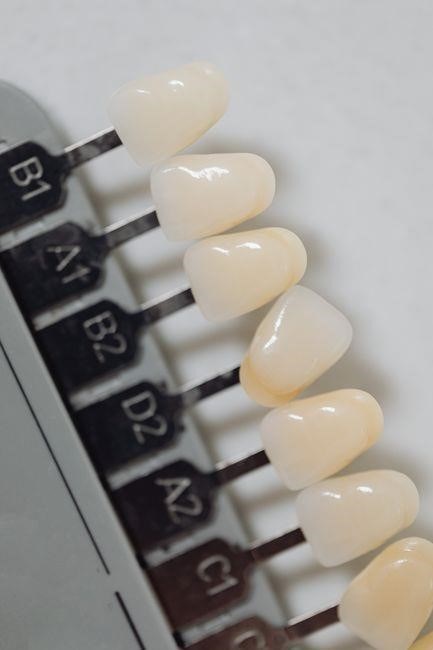
The VITA 3D Shade Guide offers a comprehensive 29‑color system organized by lightness, chroma, and hue, enabling precise tooth color matching. Its standardized layout supports accurate diagnostics and consistent restorative outcomes across clinical settings.!!!??
Historical Evolution of VITA Shade Systems
The journey of VITA shade systems began in the early 1970s with the introduction of the VITA Classical A1–D4 series, a foundational tool that standardized tooth color notation across dental practices. In the 1990s, VITA expanded its range with the VITA Toothguide, offering a broader spectrum of shades and a more intuitive layout for clinicians. The pivotal shift came with the launch of the VITA 3D-Master in 2004, which integrated the CIELAB color space into a three‑dimensional matrix of lightness, chroma, and hue. This innovation allowed for precise, reproducible color matching and facilitated the transition to digital workflows. Over the past two decades, the 3D-Master has been refined through iterative feedback, incorporating higher resolution color chips and improved material durability. Today, it remains the industry standard for restorative dentistry, bridging the gap between traditional shade selection and advanced CAD/CAM technologies.

Since its inception, the VITA 3D‑Master has been refined through user feedback from dental schools and private practices worldwide. Its high‑density polyethylene body with UV‑stable pigments guarantees color stability and durability. The modular design allows quick reference and easy storage, making it essential for both novice and experienced clinicians. For all clinicians daily!
Scientific Foundations: Color Space and Tooth Shade Classification
The VITA 3D‑Master Shade Guide is rooted in the CIELAB color space, where each shade is defined by three orthogonal axes: lightness (L), chroma (C), and hue (h°). This framework allows every natural tooth color to be plotted as a unique point within a three‑dimensional sphere, ensuring that subtle variations in translucency, saturation, and hue are captured accurately. By organizing the 29 reference shades along incremental lightness levels (0 to 5) and systematically varying chroma and hue, the guide mirrors the physiological range of enamel and dentin tones found in the human dentition. Clinicians can therefore select a shade that matches the patient’s tooth with precision, reducing the risk of mismatches that arise from subjective visual assessment alone. The VITA 3D‑Master’s color coordinates are calibrated against standardized light sources (D65) and reference observers, providing a reproducible baseline for both manual and digital color‑matching workflows. This scientific rigor underpins the guide’s status as the industry benchmark for restorative dentistry, enabling consistent shade selection across practitioners, laboratories, and digital impression systems.
In practice, the guide’s design facilitates rapid visual comparison under standardized lighting, while spectrophotometric validation confirms the L, C, and h° values of each tab. The integration of the VITA 3D‑Master into digital workflows—such as CAD/CAM and intraoral scanners—relies on its precise color coordinates, allowing software to translate physical shades into machine‑readable data. Consequently, the guide serves not only as a manual reference but also as a bridge between conventional shade selection and emerging digital dentistry technologies. Moreover, the guide’s compact, modular layout reduces cognitive load during shade selection, allowing practitioners to focus on clinical judgment rather than memorizing complex color charts. Its durability and resistance to UV degradation ensure that the color fidelity remains stable over time, even with frequent handling, and consistent patient outcomes globally.
Structure of the 3D-Master Shade Guide: Lightness, Chroma, and Hue
The VITA 3D‑Master Shade Guide is structured around a three‑dimensional color space that mirrors the natural variation found in human dentition. Lightness (L) is represented by six discrete levels (0–5), ranging from the darkest, most opaque shades at L0 to the brightest, translucent shades at L5. Each lightness level is further subdivided into three chroma (C) categories—low (L), medium (M), and high (R)—to capture the degree of saturation or purity of color. Finally, hue (H) is defined by a set of ten distinct tooth‑color families (A, B, C, D, E, F, G, H, I, J), each corresponding to a specific chromatic direction on the color sphere. This arrangement yields 6 × 3 × 10 = 180 theoretical combinations, but the guide offers 29 carefully selected, clinically relevant shades that span the most common natural tooth colors. By aligning lightness, chroma, and hue in a systematic grid, clinicians can quickly locate a target shade, compare adjacent shades for subtle differences, and document the exact match using the guide’s standardized notation. The guide’s design also facilitates integration with digital color‑matching systems, allowing seamless transfer of shade data into CAD/CAM workflows and ensuring consistency between manual and digital workflows. It works.!!

Practical Application in Clinical Dentistry
The VITA 3D-Master guide streamlines clinical workflows by offering a standardized color chart for shade selection, restoration planning, and bleaching monitoring. Clinicians align the guide at 25–30 cm, choose lightness 0–5, then match chroma and hue for precise results.!
Standardized Color Matching Protocols
For consistent shade selection, the VITA 3D‑Master is positioned with the arm bent, keeping the guide approximately 25–30 cm from the patient’s tooth. The clinician first identifies the lightness level (0–5) by comparing the shade card to the tooth’s brightness. Next, chroma (M, L, R) is matched by selecting the appropriate saturation band that best aligns with the tooth’s color intensity. Finally, hue is determined by choosing the correct color tone within the selected lightness and chroma group. This three‑step process—lightness, chroma, hue—ensures reproducible results across examinations. The guide’s 29 colors cover the full natural tooth spectrum, allowing precise identification of subtle variations. To maintain accuracy, the guide should be handled with clean, dry fingers, stored in a cool, dry place, and protected from direct sunlight, as the plastic components are not UV‑resistant. Regular visual inspection for wear or discoloration is recommended, and the guide should be calibrated against a reference standard before each use. By following these standardized protocols, clinicians can achieve reliable shade matching for diagnostics, restorative planning, and monitoring of bleaching treatments. Clinicians also report increased confidence in shade prediction, leading to higher patient satisfaction chairside adjustments.
Using the VITA 3D-Master for Restorative Procedures
During restorative work, the VITA 3D‑Master serves as the cornerstone for achieving natural aesthetics. The clinician first selects the appropriate lightness level (0‑5) by comparing the patient’s tooth to the guide’s reference panels held at a 25‑30 cm distance. Once lightness is fixed, chroma (M, L, R) is matched by rotating the guide until the shade’s saturation aligns with the clinical specimen. Hue is then verified by observing the color’s undertone; the guide’s spherical arrangement allows quick identification of subtle hue variations. After the shade is confirmed, the chosen composite or ceramic shade is mixed or selected, ensuring that the final restoration reflects the patient’s original tooth color. Throughout the procedure, the guide is kept in a clean, dry environment to prevent contamination, and its plastic components are protected from UV exposure to maintain color stability. By following this systematic approach, practitioners can consistently produce restorations that blend seamlessly with adjacent teeth, thereby enhancing both function and patient satisfaction. The guide’s durability and color fidelity make it indispensable for modern restorative dentistry. Its robust construction and precise color calibration ensure repeatable results across multiple clinical sessions. This reliability supports high‑quality patient care and professional confidence. It also aligns with digital workflows for integration now.
Monitoring Bleaching Treatments with VITA Bleachedguide
The VITA Bleachedguide 3D‑MASTER is a specialized shade guide designed to track changes in tooth color during and after bleaching procedures; It contains a series of lightness levels (0–5) with corresponding chroma and hue options that reflect the typical range of bleaching outcomes. Clinicians can compare the patient’s teeth to the guide at baseline, mid‑treatment, and post‑treatment to assess progress and determine the optimal endpoint. The guide’s durable plastic construction resists UV exposure and routine handling, ensuring color representation over. By integrating the Bleachedguide into a standardized protocol, dentists achieve objective, reproducible measurements, reducing subjective judgment and improving patient satisfaction. Its compact size and intuitive layout make it easy to use chairside, providing immediate visual feedback during bleaching sessions. Overall, the VITA Bleachedguide enhances clinical decision‑making and supports evidence‑based bleaching protocols.
When used in conjunction with spectrophotometric analysis, the Bleachedguide allows clinicians to quantify subtle shifts in chroma and hue that may not be perceptible to the naked eye, thereby refining the bleaching protocol and preventing over‑exposure or under‑treatment. The guide’s colorimetric consistency also facilitates longitudinal studies!!.

Technical Specifications and Handling Guidelines
VITA 3D-Master is made of durable polymer, not monomer‑or UV‑resistant, so avoid intense sunlight. Store in a cool, dry place, protected from dust. Handle with clean gloves, keep guide flat. Calibrate with a light‑stable reference before use. Store in original case
Material Composition and UV Resistance
The VITA 3D‑Master Shade Guide is constructed from a high‑density, impact‑resistant polymer that maintains dimensional stability over time. The core material is a proprietary blend of polycarbonate and acrylic, engineered to resist abrasion from repeated handling and to preserve the precise color gradations required for accurate shade selection. The guide’s backing is a matte, non‑reflective finish that minimizes glare during clinical examination, while the individual shade tabs are embossed with a subtle texture to aid tactile identification. Despite its robust construction, the guide is not formulated with monomer‑free or UV‑resistant additives. Prolonged exposure to direct sunlight or intense artificial light can cause surface discoloration and micro‑cracking, compromising the integrity of the color chips. Consequently, manufacturers recommend storing the guide in a cool, dry place, protected from UV radiation, and handling it with clean, dry hands. When not in use, the guide should be kept in its original case or a dedicated storage sleeve to prevent dust accumulation and accidental bending. Proper storage not only preserves the visual fidelity of the shade tabs but also extends the overall lifespan of the guide, ensuring reliable performance across multiple clinical sessions. Additionally, the guide’s protective laminate layer is engineered to resist micro‑scratches, yet it remains pliable enough for routine handling, ensuring that the delicate color chips retain their hue use.!!!!!

Optimal Storage and Handling Conditions
Proper storage and handling of the VITA 3D‑Master Shade Guide are to preserve its accuracy. The guide should be kept in its original plastic case when not in use dust, moisture, and temperature extremes. Store the case in a dry, climate‑controlled environment, ideally between 15 °C and 25 °C (59 °F–77 °F). Avoid direct sunlight or UV exposure, as the plastic components are not UV‑resistant and prolonged light can alter the color chips. When transporting the guide, keep it upright and cushioned to prevent bending or cracking of the plastic tabs. Handle each shade card gently, using clean, dry fingers or gloves to prevent smudging or contamination; Before each clinical session, inspect the guide for any signs of wear, discoloration, or damage; replace any compromised cards immediately. By following these storage and handling protocols, clinicians can maintain the integrity of the shade guide, ensuring reliable color matching over its intended lifespan.
In addition, routine calibration checks are recommended every six months. Use a calibrated spectrophotometer or a shade guide reader to verify color fidelity. Document any drift in shade values and replace affected cards. Proper sterilization between patients prevents cross‑contamination preserving safety the guide’s accuracy.
Calibration and Maintenance of Shade Guides
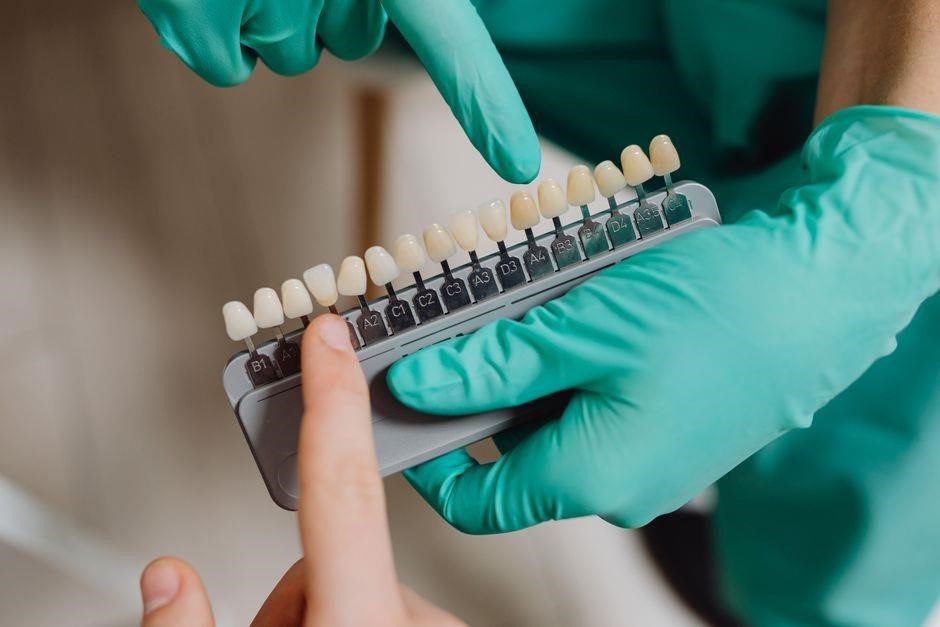
Proper calibration is essential for reliable color matching with the VITA 3D‑Master. Begin by storing the guide in a cool, dry place, away from direct sunlight and UV exposure, as the plastic components are not monomer‑ and UV‑resistant. Handle each shade card with clean, dry gloves to prevent oil transfer. Before each use, inspect the guide for scratches, discoloration, or warping; any damaged card should be replaced immediately. To recalibrate, compare the guide against a reference light source that mimics daylight (D65) and adjust the lighting angle to 45° relative to the tooth surface. Document any deviations and replace the guide after 12 months of routine use or when visual discrepancies exceed 0.5 ΔE units. Store the guide in its original case, sealed to prevent dust ingress, and keep it out of high‑temperature environments. Regular maintenance ensures that the lightness, chroma, and hue values remain accurate, supporting consistent restorative outcomes across the clinical workflow. Additionally, perform a quarterly visual check under a calibrated light box to verify color fidelity. If any card shows a shift, replace it immediately to avoid cumulative errors in shade selection. Byfollowingthese systematic steps,clinicianscan maintain the integrity of the VITA 3D‑Master and deliver predictable aesthetic resultsThank you!
Comparative Analysis with Alternative Shade Guides
The VITA 3D Master outperforms older guides with a 29‑color lightness‑chroma‑hue matrix, UV‑resistant material, and compatibility. Its layout ensures shade matching, surpassing conventional systems!!!!!
Advantages of the 3D-Master Over Traditional Systems
The VITA 3D‑Master Shade Guide surpasses conventional tooth‑shade systems in several critical dimensions. Its 29‑color matrix is arranged along a three‑axis color space—lightness (0–5), chroma (L, M, R), and hue (A–D)—providing a mathematically robust framework that mirrors the CIELAB color model. This alignment ensures that each shade is uniquely defined by a lightness value, a chroma level, and a hue designation, eliminating the ambiguity that often plagues legacy guides that rely on a single numeric scale. Clinicians benefit from the ability to pinpoint a patient’s tooth color to a specific point on the color sphere, which translates into more predictable restorative outcomes. Additionally, the 3D‑Master’s physical construction uses a UV‑resistant, durable polymer that resists discoloration and maintains color fidelity over time, whereas older guides frequently degrade under light exposure or repeated handling. The guide’s standardized illumination protocol—holding the guide 25–30 cm from the tooth under ambient light—provides reproducible conditions that reduce intra‑operator variability. Furthermore, the 3D‑Master’s compatibility with digital workflows is a decisive advantage; its color data can be exported to CAD/CAM systems, enabling seamless integration with intra‑oral scanners and shade‑matching software. In sum, the 3D‑Master delivers superior precision, durability, and interoperability, making it the preferred choice for modern restorative practice. Spectrophotometric validation confirms precision!!!

Integration with Digital Impression Technologies
Modern digital scanners capture intra‑oral images with sub‑micron accuracy, allowing the VITA 3D Shade Guide to be mapped directly onto a 3D surface model. By overlaying the guide’s standardized lightness, chroma, and hue parameters onto the scanned enamel, clinicians can instantly retrieve the exact shade code without manual comparison. Software algorithms convert the scanner’s RGB or CIELAB data into the VITA 3D scale, ensuring that the shade selection remains consistent across different devices and lighting conditions. This seamless workflow reduces chairside time, improves patient communication, and enhances the reproducibility of restorative outcomes. Integration also supports virtual try‑on of veneers and crowns, letting patients preview the final color in real time. The digital workflow further enables remote collaboration, where a lab can receive the scanned data and shade information, fabricate the restoration, and verify color accuracy before delivery. By bridging analog tradition with digital precision, the VITA 3D Shade Guide becomes a pivotal tool in contemporary restorative dentistry. The guide’s integration with CAD/CAM systems allows precise color mapping during digital impression capture, ensuring the final restoration matches the originalexact shade.